Apartments & places to stay in Banja Luka
The country’s second city, on the Vrbas: the Kastel fortress by the river, tree-lined streets, long café terraces and rafting in the canyon upstream.
- From Sarajevo
- 195 km
- To the airport
- 25 km
- Altitude
- 163 m
- Stays nearby
- 6

Banja LukaBosanska Krajina
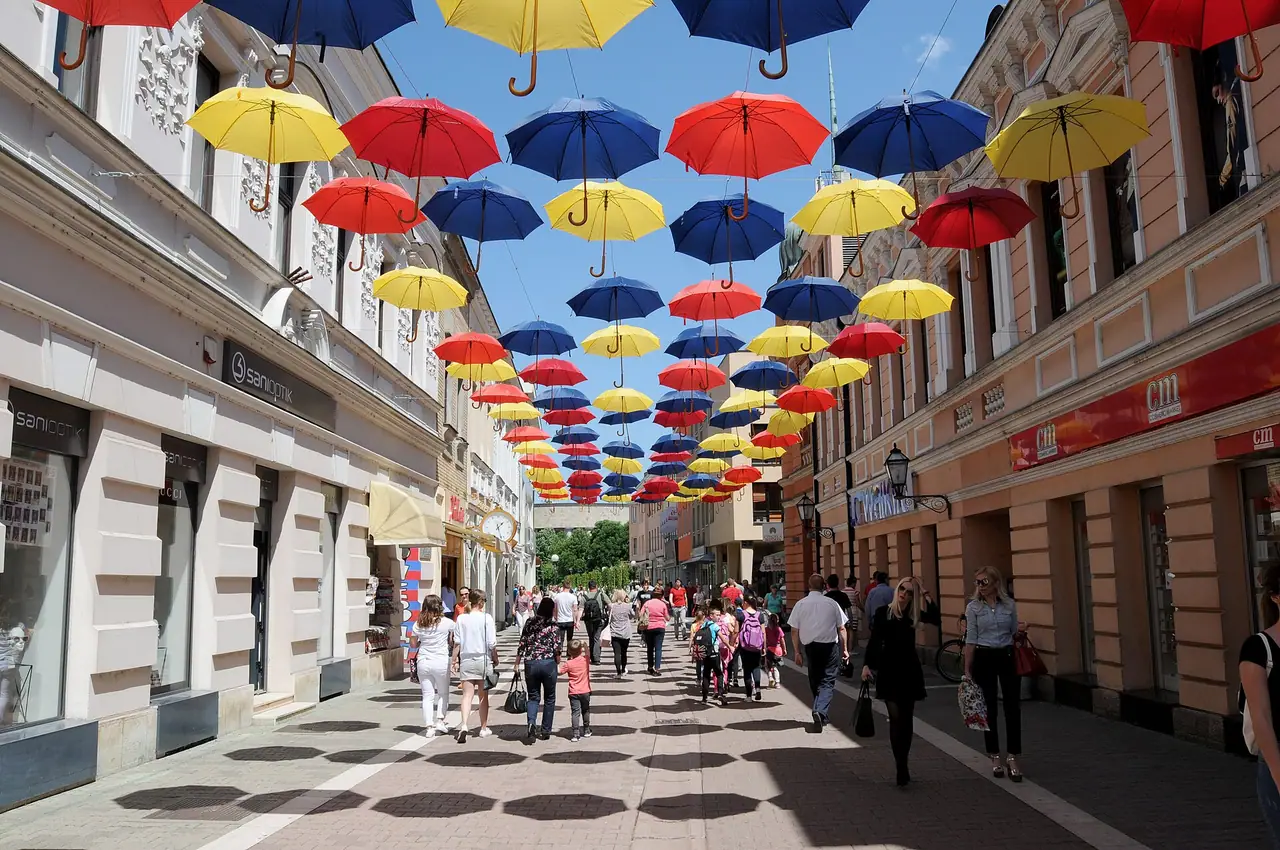
Photo: ArhistefoBL, CC0
Where to stay
Stays in Banja Luka
6 stays within 30 km, the closest first.
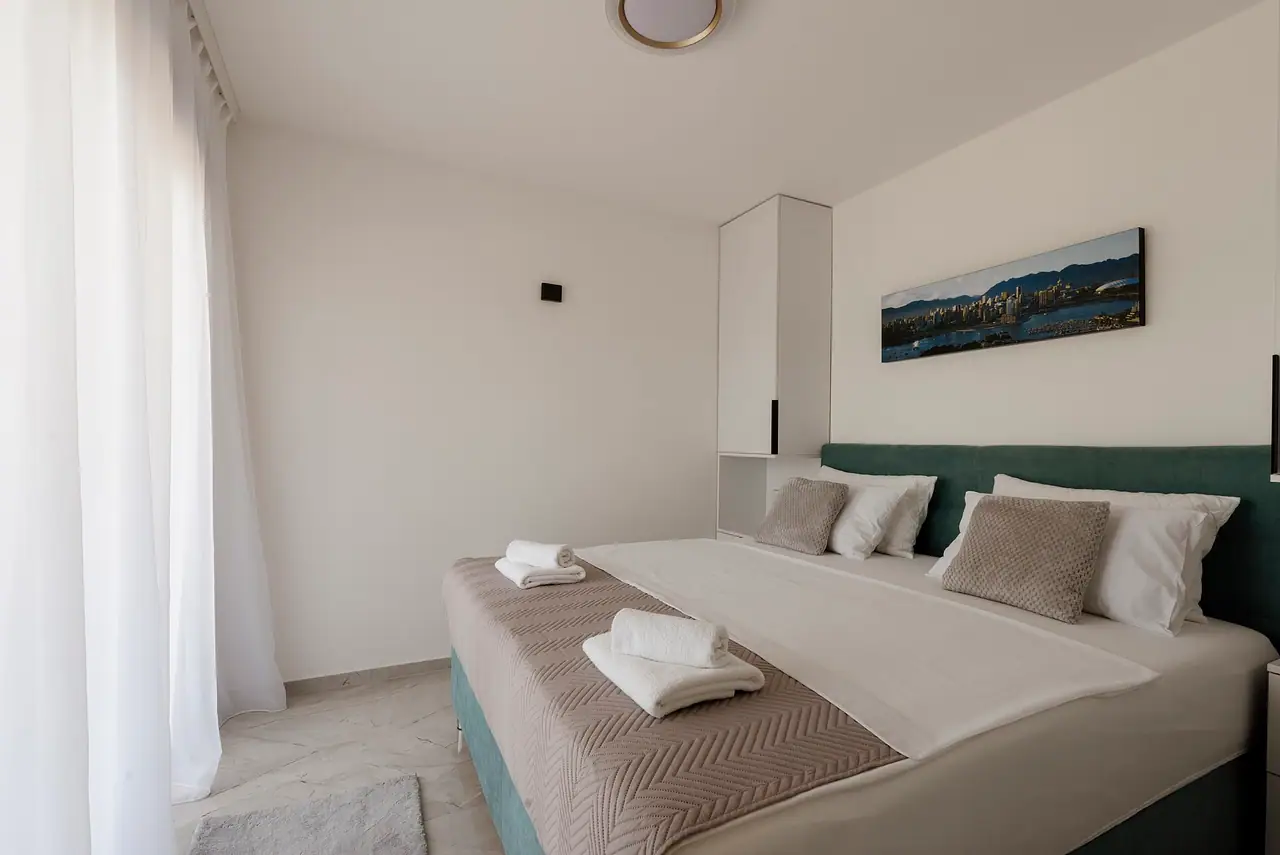


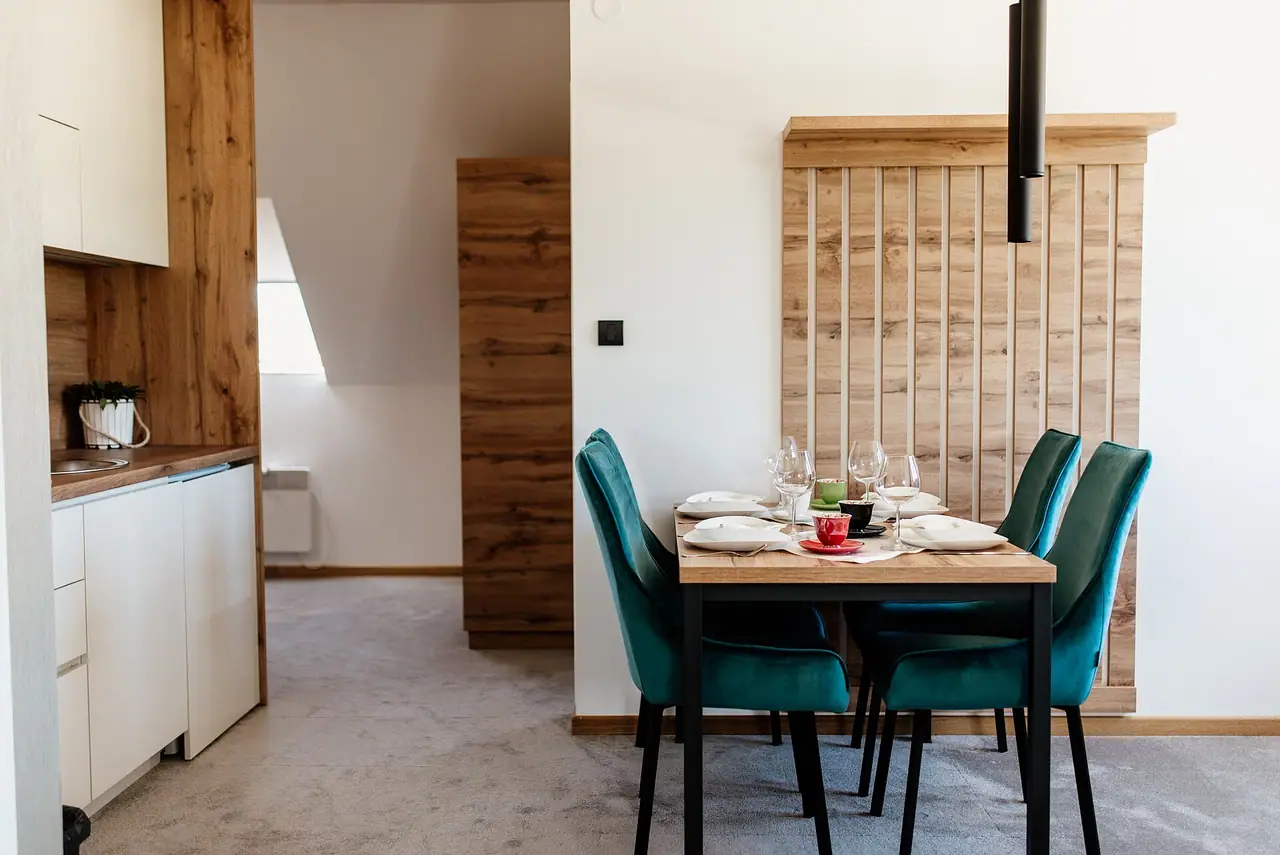
Šadrvan apartment with a view of Kastel and the riverbank
€59a nightFree cancellationPay on arrival



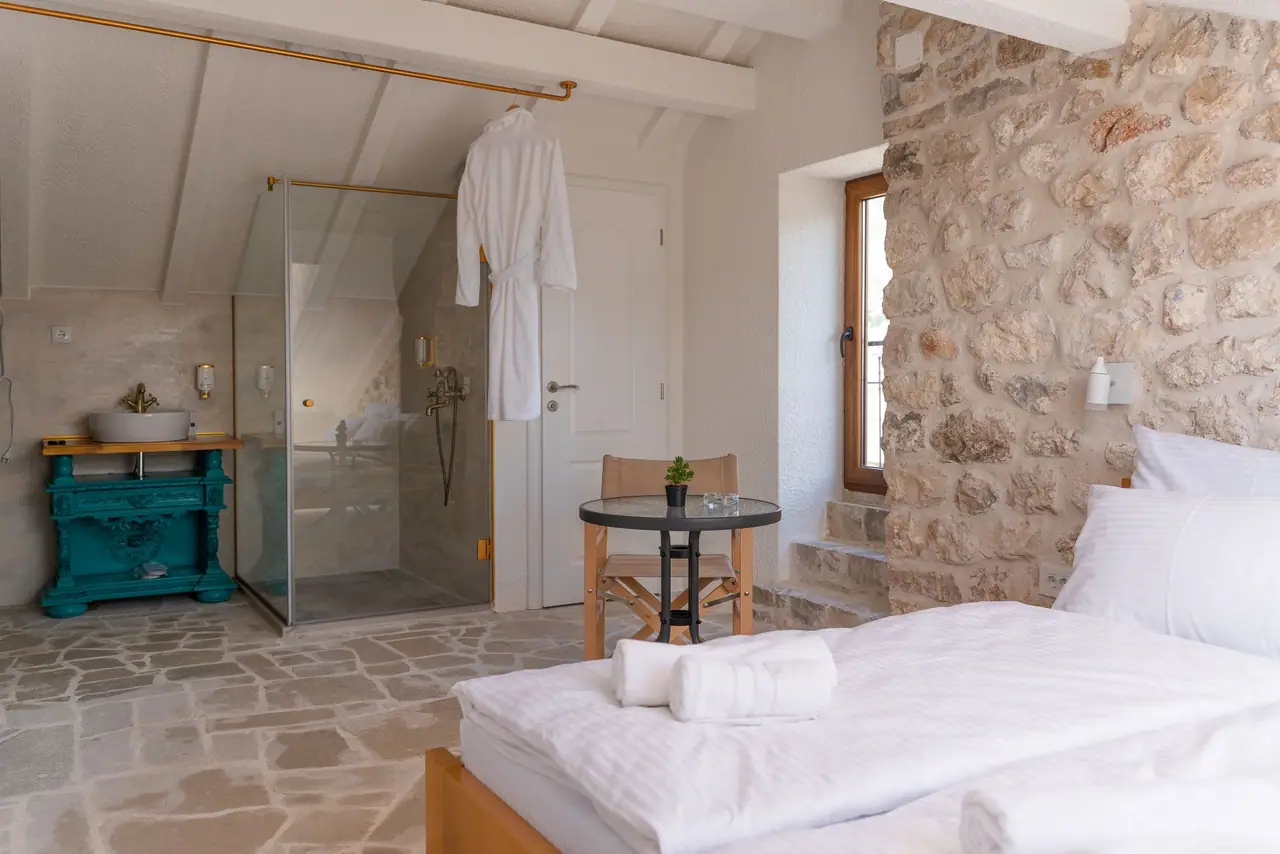
Bašta apartment with a view of Kastel and the riverbank
€44a nightFree cancellationPay on arrival
Guide
Banja Luka: a guide to your stay
Where to stay in Banja Luka, what to see, how to get there and when to go: a green city on the Vrbas, with Kastel Fortress in the centre and rafting in the canyon upstream.
Why Banja Luka
Banja Luka is the second-largest city in Bosnia and Herzegovina and the largest city in Republika Srpska, as well as its administrative, economic and political centre. It lies in Bosanska Krajina, on both banks of the Vrbas, in a flat basin surrounded by hilly country, 163 metres above sea level. The name is first mentioned in 1494 and is usually explained as ‘the Ban’s meadow’.
People call it the green city, for the avenues of trees, the parks and the gardens that line the streets of the centre and the riverbanks. The centre is flat and easy to explore on foot, and upstream of the city the Vrbas runs through a canyon where people go rafting. Banja Luka was European City of Sport in 2018 and became a UNESCO City of Music in 2023.
Where to stay in Banja Luka
An apartment in Banja Luka suits guests coming for a weekend, on business, for a concert or to go rafting. In Banja Luka, everything on Najmio is let by local hosts: flats by the night, apartments for couples and families, houses with a garden and rooms in a family home. There are no hotel rooms and no middlemen. You deal directly with the host, and you pay when you arrive.
- The centre. The most sought-after stays are apartments in the centre, from where Kastel, the Ferhadija, Gospodska Street, the museums and the parks are a few minutes’ walk away. You won’t need a car here.
- Along the Vrbas. Apartments by the river are quieter, and a walk along the bank takes you to the walls of Kastel.
- The hills and villages around the city. Holiday homes with a garden and a barbecue, in quieter neighbourhoods and villages around the city. You will need a car, but you get space and quiet, and on the south side of the city you are closer to the Vrbas canyon.
The host sets the price, and you see all of it, cleaning included, before you book. During the summer festivals and around public holidays, book ahead.
Things to see and do in Banja Luka
Kastel Fortress
Kastel Fortress stands on the left bank of the Vrbas, right in the city centre. The Romans had a military camp on this spot, and excavations have also turned up finds from the Stone Age. The fortress you see today is mostly Ottoman: at the end of the 16th century, Ferhad Pasha Sokolović built an arsenal here that grew into a fort, and the army only left it in 1959. Kastel has been a national monument of Bosnia and Herzegovina since 2004.
Inside the low stone ramparts are lawns, shady paths and a summer stage. Entry is free. First walk the path along the river below the walls, where you see the ramparts best, and then go in through the gate. Every July since 2008, Kastel has hosted Demofest, a festival for bands without a record deal.
The Ferhadija Mosque
The Ferhadija Mosque is the best-known mosque in Banja Luka. Ferhad Pasha Sokolović built it in 1579, together with a new trading bazaar of about two hundred shops and a water supply. The stone building, with an 18-metre dome and a slender minaret more than 40 metres tall, is a classic example of Ottoman architecture. During the war, on 7 May 1993, the mosque was destroyed. After the war, more than half of the original stone was found and put back in its place, and the restored Ferhadija reopened on 7 May 2016.
The mosque is a working place of worship. Visitors are welcome outside prayer times: dress modestly, take off your shoes at the door, and women should cover their hair. Entry is free, and it is a few minutes’ walk from Kastel.
The Museum of Contemporary Art of Republika Srpska
The Museum of Contemporary Art of Republika Srpska is in the old railway station from 1891, a long yellow-and-white Austro-Hungarian building on Trg srpskih junaka, the Square of Serbian Heroes. The museum began in 1971 as the Art Gallery: after the 1969 earthquake, artists from Yugoslavia and abroad gave the city about 750 works. Today it shows changing exhibitions of modern and contemporary art, and entry is free. Check the programme before you go. It is about ten minutes’ walk from the Ferhadija and Kastel.
Gospodska Street, the Banski Dvor and the Cathedral of Christ the Saviour
Gospodska Street is the city’s main pedestrian street, lined with neo-Renaissance buildings from the late 19th century. The modern centre took shape between the two world wars, when Banja Luka was the seat of the Vrbas Banovina. That was when the Banski Dvor (the Ban’s Palace), opened in 1932, and the Banovina administration building went up, with the Cathedral of the Holy Trinity between them. The church was destroyed by bombing in the Second World War, and on its site today stands the Cathedral of Christ the Saviour, in the Serbo-Byzantine style. The city also has the Museum of Republika Srpska, the successor to the Ethnographic Museum founded in 1930.
Parks and tree-lined avenues
The avenues of trees date from Austro-Hungarian times. General Alfred von Jelzon started the planting, and 4,714 trees had gone in by 1885, in avenues about 17 km long in all. Many of them still shade the streets of the centre. In the days of the Vrbas Banovina, a city park was laid out with a fountain and a bandstand: today’s Petar Kočić Park, named after the writer, who was born on Manjača. For a walk in the shade, try the bank of the Vrbas below the walls of Kastel as well.
The Vrbas, its canyon and rafting
The Vrbas rises on Vranica and flows about 250 km to the Sava. Between Jajce and Banja Luka it cuts through a canyon, and the last stretch before the city is the canyon valley of Tijesno. Rafting is one of the most popular things to do here: the Vrbas hosted the European Rafting Championships in 2005 and 2019 and the World Rafting Championship in 2009. Trips are run by local clubs and agencies. The route and the difficulty depend on the water level, so ask before you set off.
The Vrbas is also known for fly fishing. The river’s own speciality is the dajak, a traditional Banja Luka boat named after the pole used to push it along. In Srpske Toplice, once called Gornji Šeher, on the Vrbas, there are thermal springs that were already in use in Roman times.
Day trips from Banja Luka
- Laktaši, north of the city, on the Lijevče polje plain: a spa town whose springs were already used by the Romans. Banja Luka Airport is also in the municipality.
- Čelinac, east of the city, on the Vrbanja, which flows into the Vrbas in Banja Luka.
- Jajce, up the Vrbas: the former capital of the Kingdom of Bosnia, where the Pliva meets the Vrbas, with a waterfall 22 metres high. For a full day.
Food and local specialities
Banja Luka has its own ćevap. The Banja Luka ćevap is made as one slab of four ćevapi joined together, usually from nothing but minced beef, salt and pepper, and the lepinja flatbread is soaked in the juices from the meat. It is served with onion, and often with kajmak, a rich clotted cream.
The other name linked to the city is Trappist. In the second half of the 19th century, Trappist monks from the Marija Zvijezda monastery set up a brickworks, a dairy, a mill and a brewery, and they left the city Trappist cheese and a tradition of brewing. Your host can tell you where to buy local cheese and kajmak.
Getting to Banja Luka
| From | Distance | Driving time |
|---|---|---|
| Banja Luka Airport (BNX) | 25 km | about 30 min |
| Slavonski Brod, Croatia | 125 km | about 1 h 30 min |
| Tuzla | 167 km | about 2 h 15 min |
| Sarajevo, partly on the A1 motorway | 195 km | about 3 h 15 min |
Banja Luka Airport is near the village of Mahovljani, in the municipality of Laktaši, next to the motorways towards Gradiška and Doboj. There are flights from there to Belgrade and several European cities. The schedule changes with the season, so check it before you travel, and ask your host how best to get to the flat.
To the north, the E661 expressway runs through Gradiška to the Croatian border. The time to Slavonski Brod assumes no wait at the border. Croatia is in the Schengen Area, so there are full border checks at the crossing: bring your passport and check the rules for your nationality before you travel.
When to go
Banja Luka has a temperate, humid climate, with warm summers and mild winters. July averages 22.5 °C, and January 1.3 °C. It snows almost every winter, and there are about 104 rainy days a year.
- Spring (April to June): the avenues and parks turn green, and on 22 April the city celebrates City Day.
- Summer (July and August): the warmest and liveliest time, with concerts and Demofest at Kastel and rafting on the Vrbas.
- Autumn (September and October): warm enough for walks, and in September the Banja Luka Challenger tennis tournament is played here.
- Winter: colder, often with snow, a time for museums, galleries and the National Theatre.
Practical tips
- Paying for your stay: on Najmio, you pay your host when you arrive, with no booking fee.
- Money: the currency is the convertible mark (KM), and one euro is worth exactly 1.95583 KM. There is more in the story Paying your way in Bosnia and Herzegovina.
- Registration and tourist tax: your host registers you as a guest and charges the tourist tax per person per night, under local rules. Bring your ID card or passport.
- Getting around: the centre is flat and easy to see on foot. From Kastel to the Ferhadija is a few minutes’ walk, and to the Museum of Contemporary Art about ten. Public transport is by bus. For the Vrbas canyon, Laktaši and the airport, a car or a taxi helps. If you are coming by car, ask your host about parking before you arrive.
Have a home in Banja Luka?
List it on Najmio and host the people who come to Banja Luka. There's no sign-up fee: hosts pay a flat 10%, and only after a completed stay.
Questions
About staying in Banja Luka
Q.01Accommodation
How much does an apartment in Banja Luka cost per night?
On Najmio, stays in and around Banja Luka start from €32 a night. The host sets the price, and you see the full price, cleaning included, before you book. For the summer festivals and around public holidays, book ahead.
Related
Q.02Accommodation
Where is the best place to stay in Banja Luka?
In the centre, if you want to see Kastel, the Ferhadija, Gospodska Street and the museums on foot. Apartments along the Vrbas are quieter, and the houses in the villages and hills around the city suit you if you are coming by car and want a garden.
Related
Q.03Accommodation
How many apartments are there in Banja Luka?
Najmio currently has 6 stays in and around Banja Luka, within 30 km of the centre. Each one is the home of a local host who lives nearby, not a hotel room.
Related
Q.04Getting there
How far is Banja Luka from Sarajevo?
About 195 km, or about 3 h 15 min by car, partly on the A1 motorway.
Related
Q.05Getting there
What is the nearest airport to Banja Luka?
Banja Luka Airport (BNX), near the village of Mahovljani in the municipality of Laktaši, 25 km or about 30 minutes’ drive from the city. There are flights from there to Belgrade and several European cities, and the schedule changes with the season.
Related
Q.06Getting there
How far is Banja Luka from Tuzla and Slavonski Brod?
From Tuzla it is 167 km, about 2 h 15 min by car. Slavonski Brod, in Croatia, is 125 km away, about 1 h 30 min when there is no wait at the border.
Related
Q.07Sightseeing
What is there to see in Banja Luka?
Kastel Fortress on the Vrbas, the Ferhadija Mosque from 1579, the Museum of Contemporary Art in the old railway station, Gospodska Street, the Banski Dvor and the Cathedral of Christ the Saviour. It is all in the centre, a few minutes’ walk apart.
Related
Q.08Sightseeing
Where can you go rafting near Banja Luka?
On the Vrbas, upstream of the city, where the river runs through a canyon. The Vrbas hosted the European Rafting Championships in 2005 and 2019 and the World Rafting Championship in 2009. Trips are run by local clubs and agencies, and how hard they are depends on the water level.
Related
Q.09Sightseeing
When is the best time to visit Banja Luka?
From May to September, when the parks and tree-lined avenues are in full leaf and there are concerts at Kastel. July averages 22.5 °C. Winters are colder, and it snows almost every year.
Related
Q.10Practical tips
How do I pay for my stay?
On Najmio, you pay your host when you arrive, with no booking fee. Bosnia and Herzegovina uses the convertible mark (KM), and one euro is worth exactly 1.95583 KM.
Something else? Write to info@najmio.com or call +387 66 111 909, and our customer support will answer as soon as possible.