Apartments & places to stay in Laktaši
- From Sarajevo
- 232 km
- To the airport
- 6 km
- Thermal water
- 31 °C
- Stays nearby
- 6
Where to stay
Stays near Laktaši
6 stays within 30 km, the closest first.

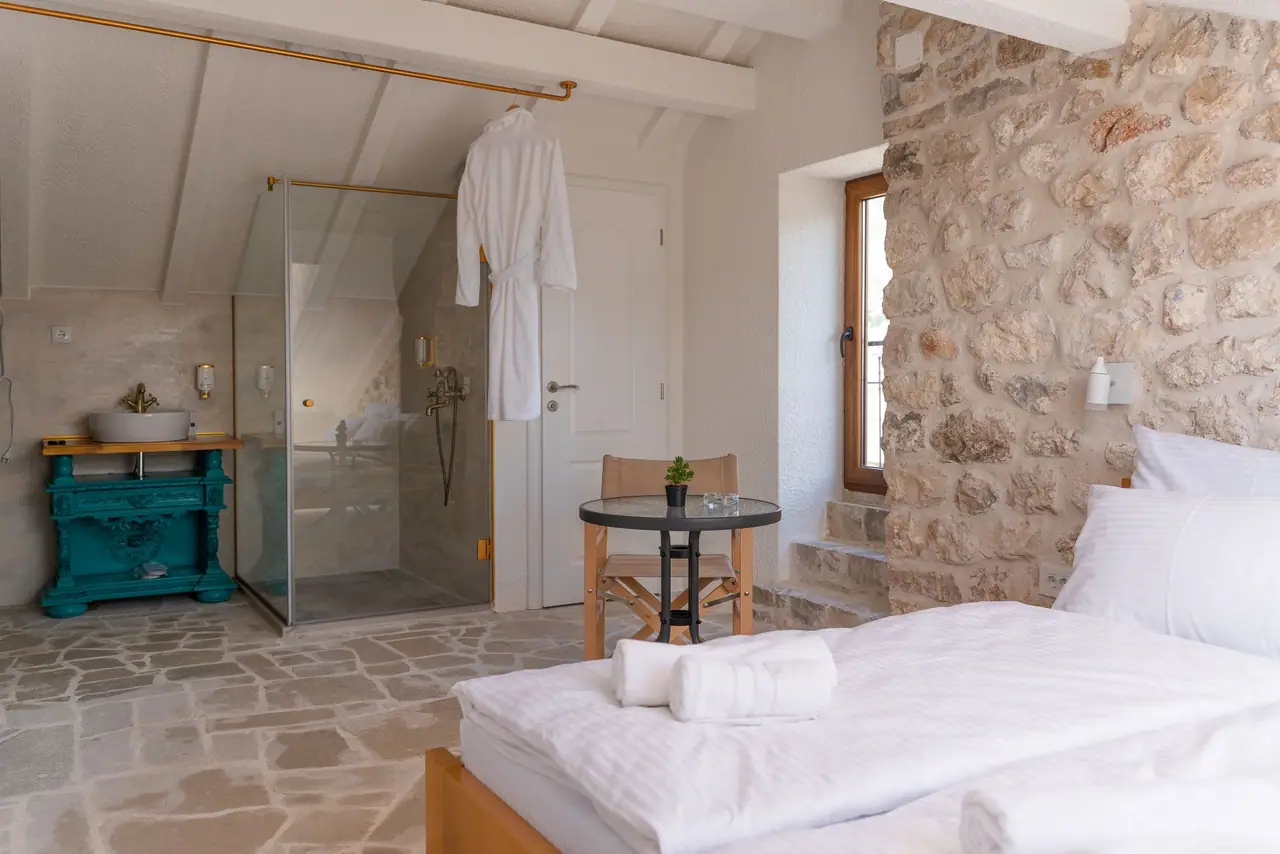


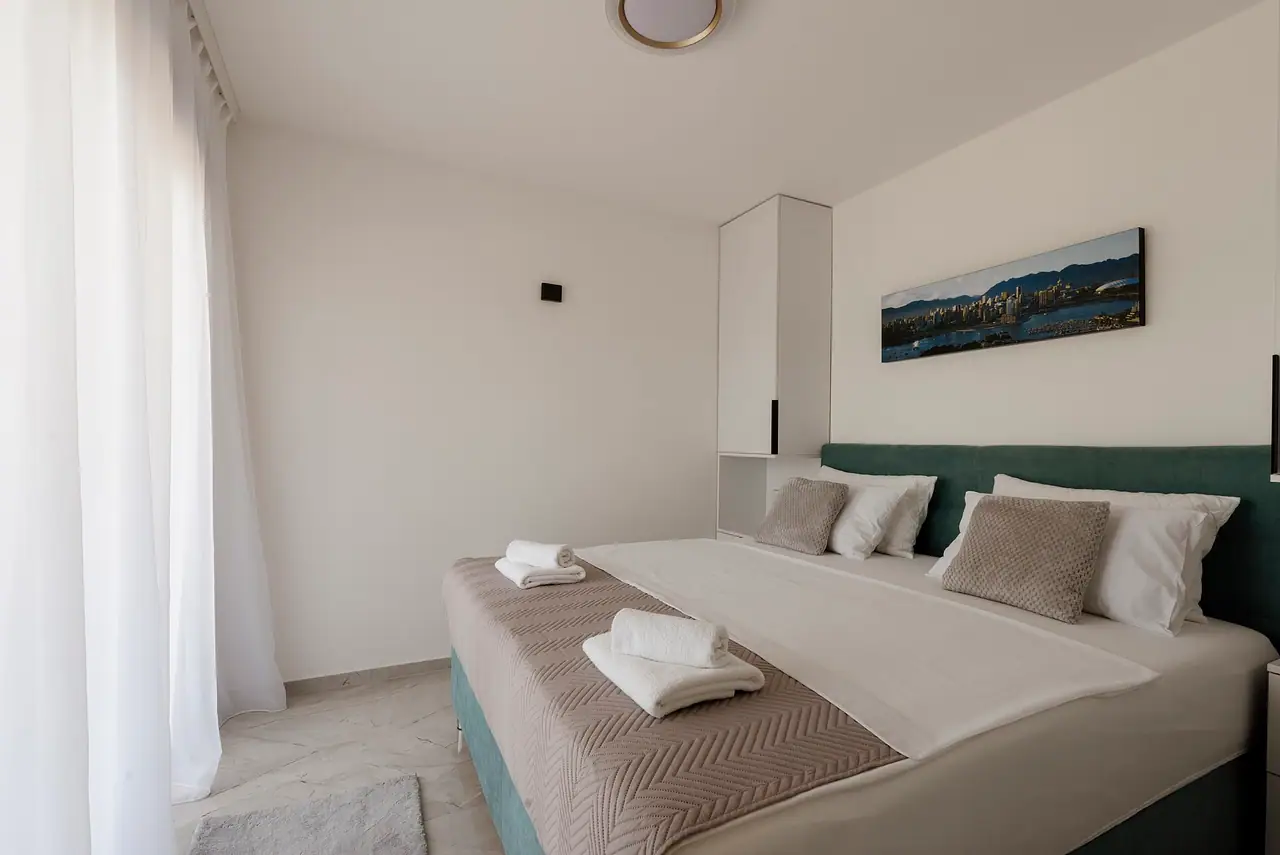


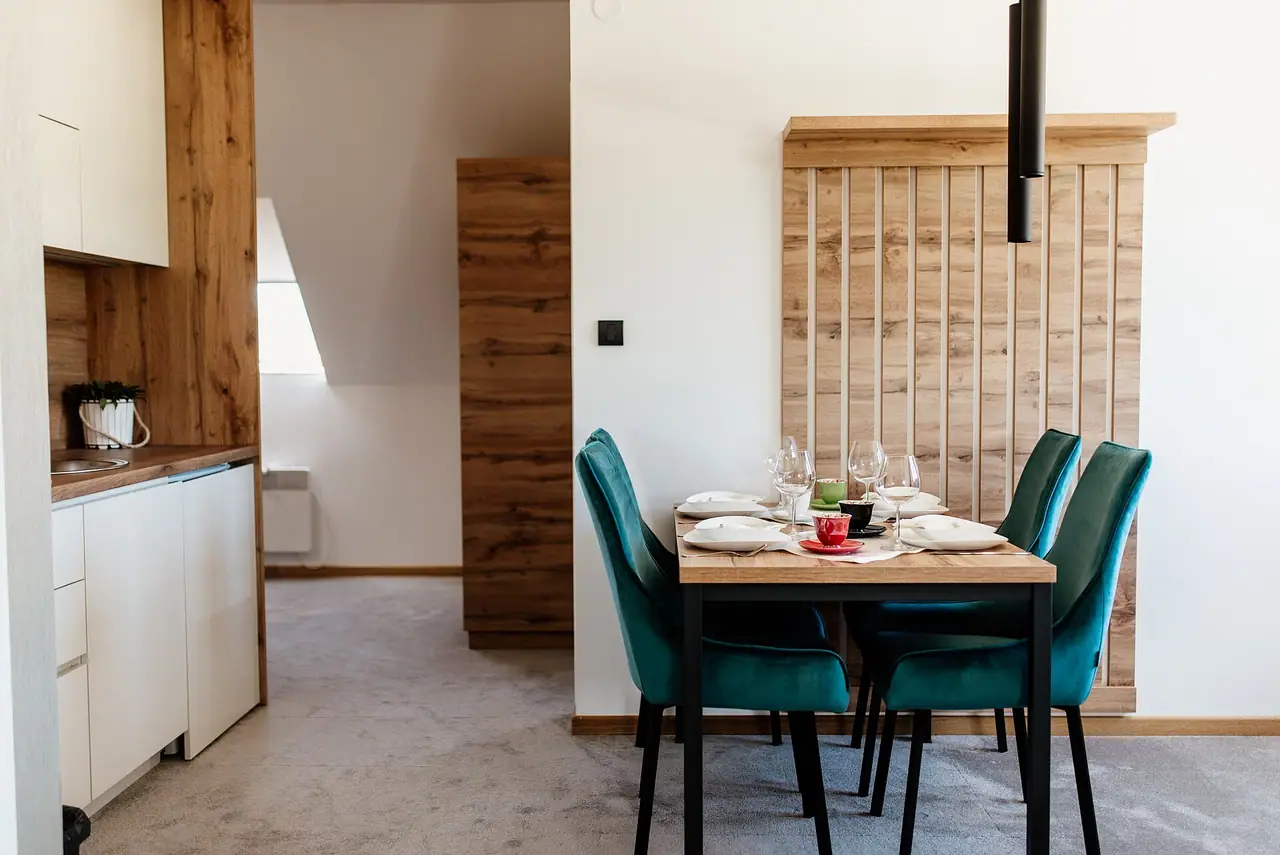

Studio Čardak in Centar
€53a nightFree cancellationPay on arrival

Guide
Laktaši: a guide to your stay
Where to stay in Laktaši, what to see, how to get there and when to go: a spa town on the Lijevče polje plain, with thermal water at 31 °C and Banja Luka Airport about ten minutes’ drive away.
Why Laktaši
Laktaši is a town and spa in the north-west of Republika Srpska, in Bosanska Krajina, 20 km north of Banja Luka. It lies on the southern edge of Lijevče polje, a plain known as the breadbasket of Republika Srpska, and the Vrbas flows through the middle of the municipality. The motorways towards Gradiška and Doboj run through Laktaši, and Banja Luka Airport is within its area, near the village of Mahovljani.
People have lived here since the Stone Age: on Banjsko brdo, the spa hill in the town centre, is the archaeological site of Brdašce, and the Romans already used the warm springs. After 1883, Italians, Germans, Ukrainians and Poles settled in Lijevče polje and Potkozarje, and their churches still stand in the villages. At that time a plant making the famous Trappist cheese also worked in Aleksandrovac. Today Laktaši is known for its spa and for the Igokea basketball club, which has played in the Laktaši Sports Hall since 2010.
Where to stay in Laktaši
An apartment in Laktaši is a good choice for spa guests, for a flight from Banja Luka Airport and for a stay close to Banja Luka, but in a smaller place. In Laktaši, everything on Najmio is let by local hosts: flats by the night in town, apartments for couples and families, houses with a garden in the villages and rooms in a family home. There are no hotel rooms and no middlemen. You deal directly with the host, and you pay when you arrive.
- The town. From an apartment in town you can walk to the spa, the church, the shops and the cafés.
- The villages of Lijevče polje and along the Vrbas. Holiday homes with a garden and a barbecue, on the plain and in the Vrbas valley. You will need a car, but you get space and quiet.
- Towards the airport. If you have an early flight, choose a place to stay north of town, closer to Mahovljani, and arrange transport with your host.
The host sets the price, and you see all of it, cleaning included, before you book. Around public holidays, book ahead.
Things to see and do in Laktaši
Laktaši spa
The spa lies in the Vrbas valley, on the southern edge of Lijevče polje, 125 metres above sea level. Its thermal mineral water is 31 °C. It is clear, with no colour or smell, and tastes fresh and slightly sour; it is of the calcium-magnesium-bicarbonate type, naturally carbonated and low in minerals (oligomineral). Traces show that the Romans used it for healing, and nearby are the remains of the Roman road from Salona to Servitium, today’s Gradiška. Scientific study of the water began after 1878, in Austro-Hungarian times.
The water is used as a complementary treatment, for bathing and drinking. It is recommended for conditions of the musculoskeletal system, the heart and the circulation, for some eye, nerve and endocrine disorders, and for exercise and recovery. If you are coming for treatment, talk to your doctor, and ask the spa about its programmes and bathing before you arrive.
The Church of the Protection of the Most Holy Mother of God
In the centre of Laktaši is the Church of the Protection of the Most Holy Mother of God (Hram Pokrova Presvete Bogorodice), one of the largest Orthodox churches in Republika Srpska. It was built in the Byzantine style, with three domes and a bell tower 40 metres high. Its iconostasis is among the largest in the churches of the Serbian Orthodox Church. Come outside service times and dress modestly.
Churches in the villages
- The log church in Malo Blaško, dedicated to the Nativity of the Most Holy Mother of God, most likely from the mid-18th century. It is the most important historic monument in the municipality and a national monument of Bosnia and Herzegovina, together with its movable property and the remains of a necropolis.
- The Church of St Francis of Assisi in Mahovljani, built by Italian families who settled here in 1883. It is protected as a cultural monument.
- The Ukrainian church in Devetina, from 1936, among old oak trees.
Gradina at Gornji Bakinci
On Gradina at Gornji Bakinci are the remains of a late antique, early Byzantine town and three early Christian basilicas. Archaeologists from the Gradiška Local History Museum discovered it in September 2012. The 4th-century town of Balkis was enclosed by a wall about 280 metres long. The largest building is a three-aisled episcopal basilica, 40 by 13 metres, where remains of frescoes and an inscription in Latin script were found. From the 4th to the 6th century it was the centre of Christianity in northern Bosnia. The site is a national monument of Bosnia and Herzegovina. Before you go, ask the Laktaši Tourist Board whether it can be visited.
Day trips from Laktaši
- Banja Luka, 20 km to the south: Kastel Fortress on the Vrbas, the Ferhadija from 1579 and the Museum of Contemporary Art of Republika Srpska in the old railway station.
- Gradiška, to the north, on the motorway: the Sava, the Local History Museum and the border crossing into Croatia.
- Čelinac, the neighbouring municipality to the south of Laktaši, on the Vrbanja.
Getting to Laktaši
| From | Distance | Driving time |
|---|---|---|
| Banja Luka Airport (BNX) | 6 km | about 10 min |
| Banja Luka | 20 km | about 20 min |
| Slavonski Brod, Croatia | 109 km | about 1 h 15 min |
| Sarajevo | 232 km | about 3 h |
The Banja Luka – Gradiška and Banja Luka – Doboj motorways run through the Laktaši area and meet at the Mahovljani interchange, by the airport. The motorway towards Gradiška leads to the border with Croatia and on to the Zagreb – Belgrade motorway. Banja Luka Airport is near the village of Mahovljani, north of town. The flight schedule changes with the season, so check it before you travel.
The time to Slavonski Brod assumes no wait at the border. Croatia is in the Schengen Area, so there are full border checks at the crossing: bring your passport and check the rules for your nationality before you travel. If you are driving your own car, bring its registration document and check that your insurance covers you in Croatia.
When to go
Laktaši has a continental climate, with harsh winters and warm summers. July is the warmest month, and January the coldest. It snows almost every year, and strong winds from the north and north-east bring even more.
- Spring (April to June): Lijevče polje turns green, a good time for the spa, the village churches and day trips.
- Summer (July and August): the warmest time, for trips to Banja Luka and the Vrbas.
- Autumn (September and October): quieter, and the days are still warm enough for sightseeing.
- Winter: cold, with snow. The spa water is always 31 °C, but check the programme before you arrive.
Practical tips
- Paying for your stay: on Najmio, you pay your host when you arrive, with no booking fee.
- Money: the currency is the convertible mark (KM), and one euro is worth exactly 1.95583 KM. There is more in the story Paying your way in Bosnia and Herzegovina.
- Registration and tourist tax: your host registers you as a guest and charges the tourist tax per person per night, under local rules. Bring your ID card or passport.
- Getting around: the spa and the church are in town. For the villages, Bakinci, the airport and Banja Luka, you will need a car or a taxi. If you are coming by car, ask your host about parking before you arrive.
Have a home in Laktaši?
List it on Najmio and host the people who come to Laktaši. There's no sign-up fee: hosts pay a flat 10%, and only after a completed stay.
Questions
About staying in Laktaši
Q.01Accommodation
How much does an apartment in Laktaši cost per night?
On Najmio, stays in and around Laktaši start from €32 a night. The host sets the price, and you see the full price, cleaning included, before you book. Around public holidays, book ahead.
Related
Q.02Accommodation
Where is the best place to stay in Laktaši?
In town, if you want to walk to the spa and the Church of the Protection of the Most Holy Mother of God. The houses in the villages of Lijevče polje and along the Vrbas suit you if you are coming by car and want a garden and some peace.
Related
Q.03Accommodation
How many apartments are there in Laktaši?
Najmio currently has 6 stays in and around Laktaši, within 30 km of the centre. Each one is the home of a local host who lives nearby, not a hotel room.
Related
Q.04Getting there
How far is Banja Luka Airport from Laktaši?
About 6 km, or about ten minutes by car. The airport is near the village of Mahovljani, in the municipality of Laktaši, next to the motorways towards Gradiška and Doboj. Ask your host about getting to the flat.
Related
Q.05Getting there
How far is Laktaši from Banja Luka and Sarajevo?
From Banja Luka it is 20 km, about 20 minutes by car. From Sarajevo it is 232 km, about 3 hours.
Related
Q.06Sightseeing
What is the water like at Laktaši spa?
Thermal mineral water at 31 °C, of the calcium-magnesium-bicarbonate type and low in minerals (oligomineral). The Romans already used it, and today people bathe in it and drink it as a complementary treatment, among other things for conditions of the musculoskeletal system, the heart and the circulation, and for recovery.
Related
Q.07Sightseeing
What is there to see in Laktaši?
The spa; the Church of the Protection of the Most Holy Mother of God, in the centre; the log church in Malo Blaško; and the remains of an early Byzantine town at Gornji Bakinci. In half a day you can get to Banja Luka, with Kastel Fortress and the Ferhadija.
Related
Q.08Sightseeing
When is the best time to visit Laktaši?
From spring to autumn, for trips around Lijevče polje and to Banja Luka. The spa water is always 31 °C. Winters are harsh, and it snows almost every year.
Related
Q.09Practical tips
How do I pay for my stay?
On Najmio, you pay your host when you arrive, with no booking fee. Bosnia and Herzegovina uses the convertible mark (KM), and one euro is worth exactly 1.95583 KM.
Something else? Write to info@najmio.com or call +387 66 111 909, and our customer support will answer as soon as possible.