Apartments & places to stay in Kiseljak
A mineral-water town in the Lepenica valley, west of Sarajevo
Kiseljak is a small town west of Sarajevo, in the valley of the Lepenica where roads from Sarajevo, Visoko, Fojnica and Kreševo meet. It is best known for its mineral water, drawn from the Park and Kiseljačić springs by the Sarajevski kiseljak company, and a public fountain in the town park lets you taste it. A thermal spring at Toplica, in nearby Zabrđe, flows at 25–30 °C. You can stay here as a base for Kreševo, Fojnica and Sarajevo.
- From Sarajevo
- 38 km
- Altitude
- 475 m
- First mentioned
- 1531
- Stays nearby
- 5
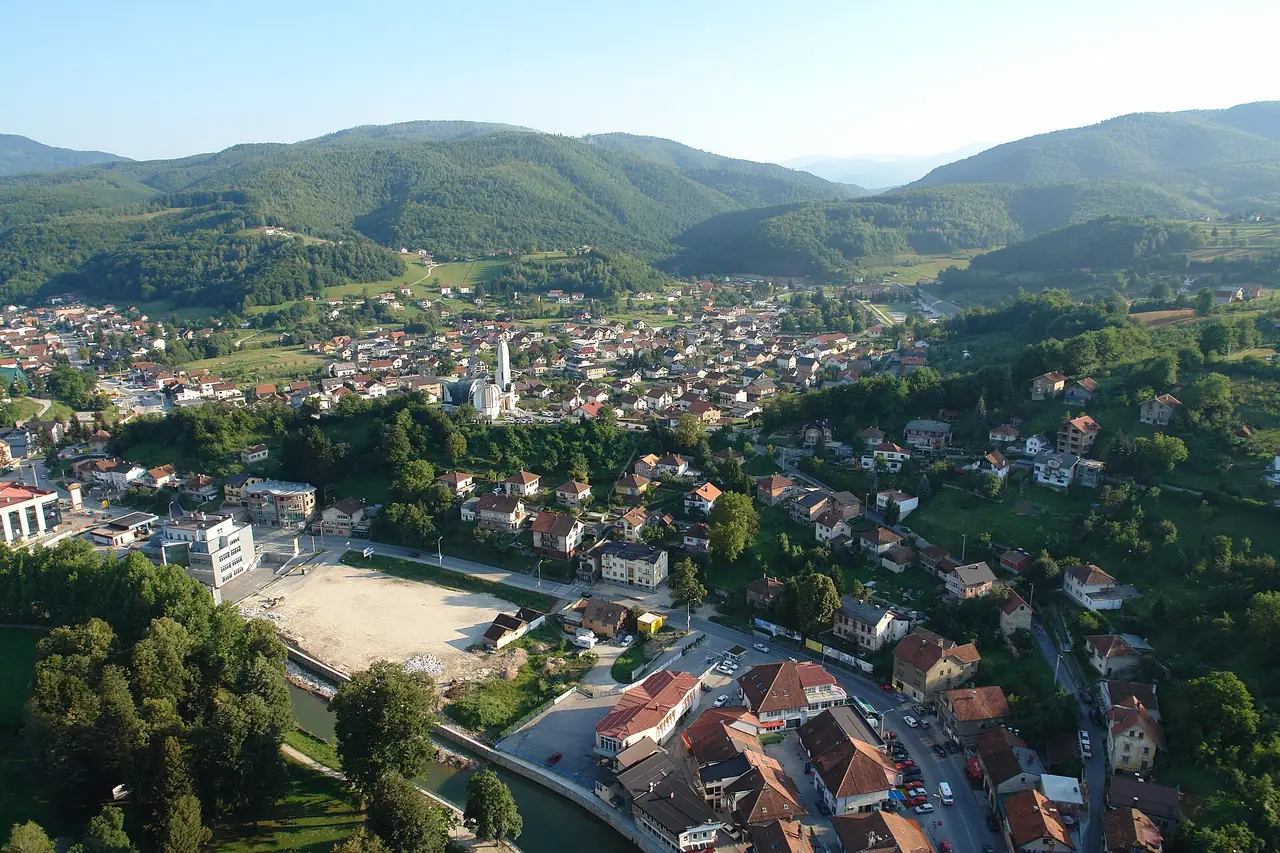
KiseljakSarajevo and the mountains
Photo: Tvrtko Milovic, public domain
Where to stay
Stays near Kiseljak
5 stays within 30 km, the closest first.

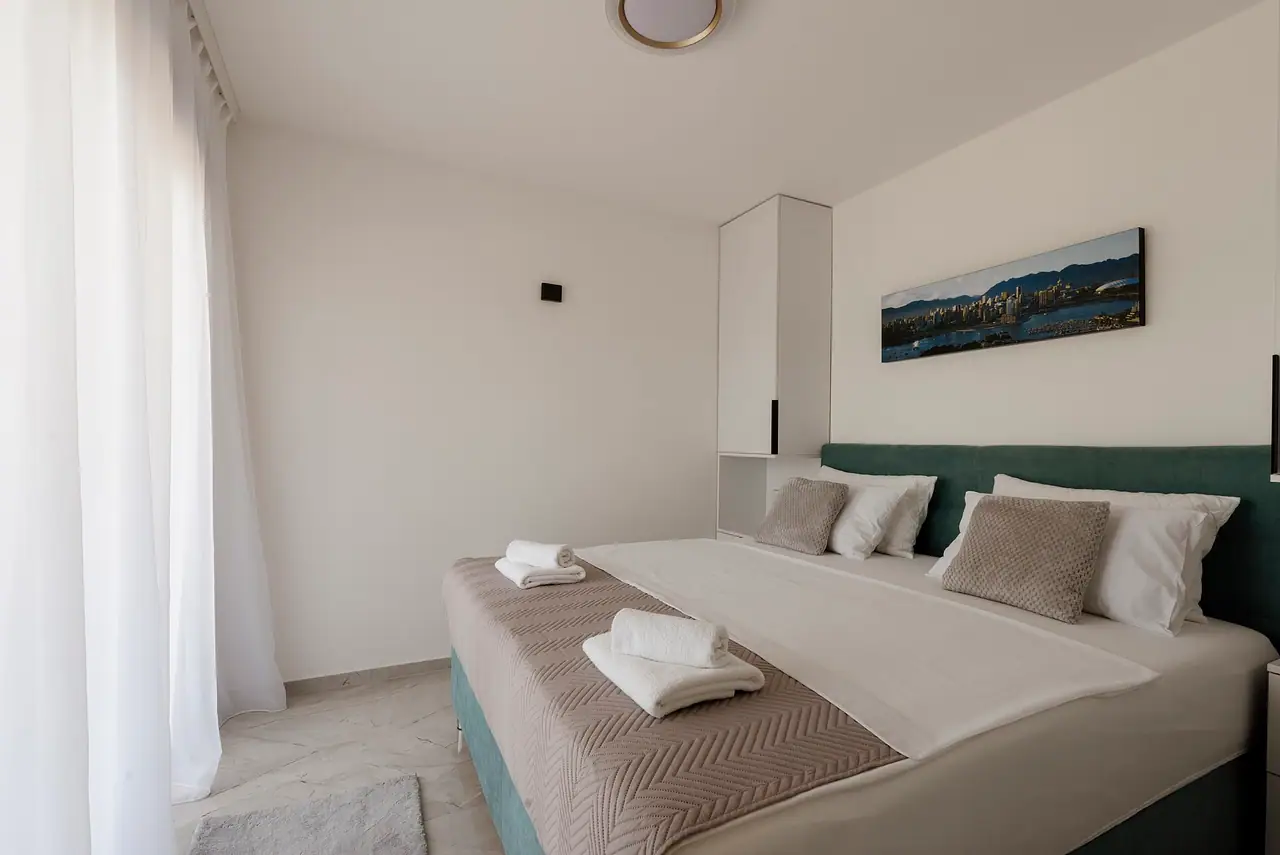


Room in Dragan’s home, Marijin Dvor
€39a nightFree cancellationPay on arrival


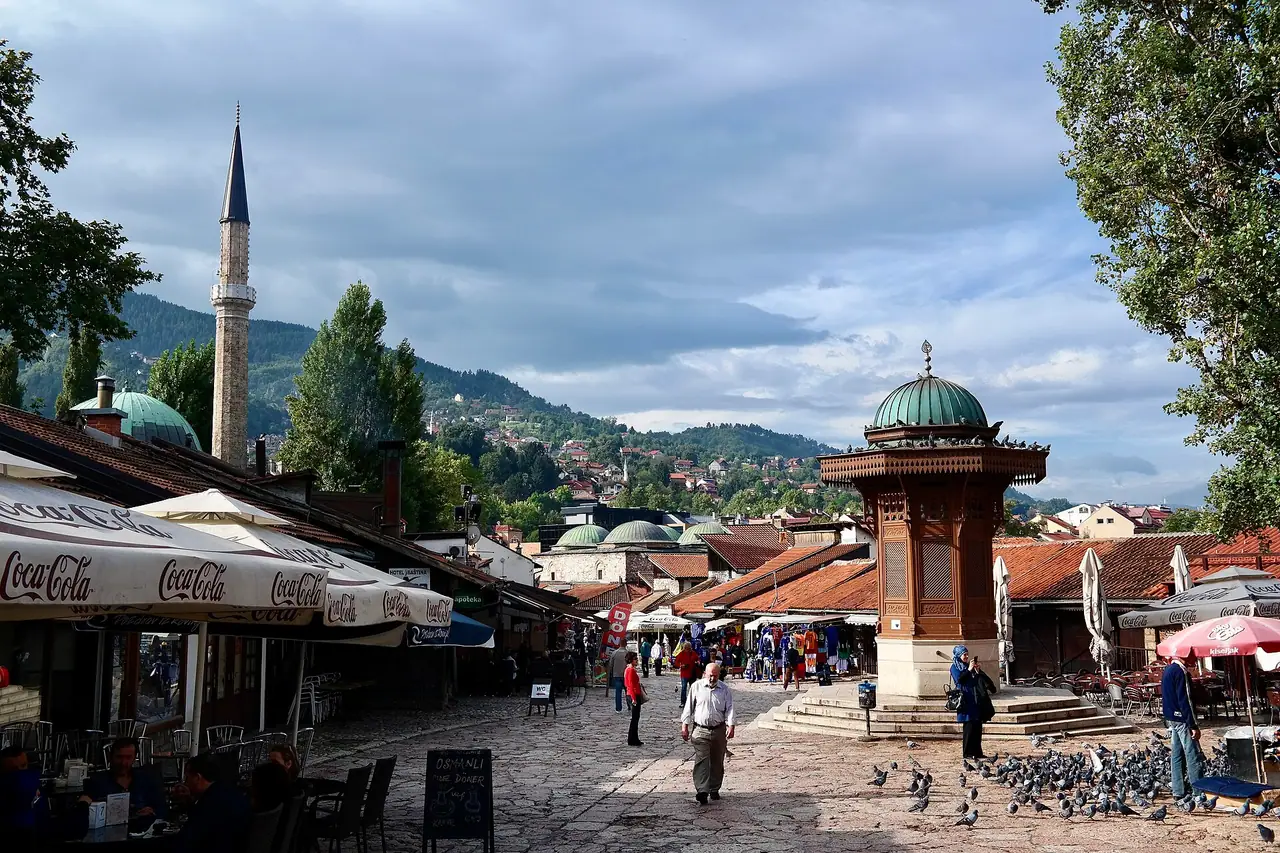
Studio Đul in Baščaršija
€64a nightFree cancellationPay on arrival

Guide
Kiseljak: a guide to your stay
Where to stay in Kiseljak, what to see, how to get there and when to go: a small town of naturally sparkling mineral water in the Lepenica valley, 38 km from Sarajevo.
Why Kiseljak
Kiseljak is a small town in central Bosnia, in Central Bosnia Canton, in the Federation of BiH, west of Sarajevo. It lies at an average of 475 metres above sea level, in the Kiseljak basin, through which the Lepenica flows before it joins the Fojnica on the edge of town. Roads from Visoko, Fojnica, Kreševo and Rakovica meet here.
The town takes its name from its naturally sparkling mineral water (kisela voda). It is first mentioned in 1531, in the travel account of Benedikt Kuripešić, and as early as 1659 Evliya Çelebi wrote that merchants bottled the water from the springs here and carried it from one province (vilayet) to the next. In the 19th century, summer visitors came from as far away as Constantinople and Austria. Today it is a quiet town for a short stay, with Fojnica, Kreševo and Visoko nearby.
Where to stay in Kiseljak
On Najmio, accommodation in Kiseljak comes from local hosts: flats by the night and apartments in town, houses in the villages around it and rooms in a family home. There are no hotel rooms and no middlemen. You deal directly with your host, and you pay when you arrive.
- The centre. A flat by the night or an apartment near the central park with its mineral springs, with everything a few minutes’ walk away.
- The villages in the basin and on the hills. Houses with a garden, for peace and for visiting the stećci. You will need a car for them.
The host sets the price, and you see all of it, cleaning included, before you book. You can widen your search to nearby Fojnica and Visoko too.
Things to see and do in Kiseljak
The park and the mineral springs
Kiseljak took on its present look at the end of the 19th century, when the main spring was laid out and a building with bathing cabins went up. The mineral springs are in the central park, which also holds some of the medieval stećci. In 1864 the Turkish writer and statesman Ahmed Cevdet described how visitors from many places came in summer, early in the morning, to drink the water from small copper cups and then stroll in the park.
Four mineral springs have been tapped in the town: Park, Kiseljačić, Podgaj and Bio-han. Water from the Park and Kiseljačić springs is bottled, about 35 million litres a year. Besides its water, Kiseljak is known for kiseljačke pogačice, its small round buns.
Toplica in Zabrđe
In the village of Zabrđe is the Toplica thermal mineral spring, whose water comes out at 25 to 30 °C. Between Zabrđe and Toplica there is a medieval necropolis of stećci, a national monument, and Zabrđe also has one of the finest stećci in the area.
Stećci, Podastinje and Milodraž
In the Lepenica area alone there are 35 necropolises with about 700 stećci. In the village of Podastinje there is a prehistoric hillfort, one of the largest in Bosnia and Herzegovina, as well as a late antique fort, the remains of a church dedicated to St Lucy and a necropolis of stećci. The site as a whole is a national monument, as is the old fortress of Kaštele.
At Milodraž, between Kiseljak and Fojnica, in 1463, after meeting Friar Anđeo Zvizdović, Sultan Mehmed II issued the Ahdname, the charter of religious freedom for the Franciscans. A copy of it is kept in the Franciscan monastery in Fojnica.
Day trips from Kiseljak
- Fojnica, to the west: the Franciscan monastery of the Holy Spirit, the spa and Vranica.
- Kreševo, to the south, on the R443 regional road, which continues towards Tarčin.
- Visoko, to the north-east: the old fortress of Visoki on Visočica hill, the Mile site and the old bazaar (čaršija).
- Sarajevo, 38 km: Vrelo Bosne and the Tunnel of Hope Museum on the western edge of the city, and Baščaršija further on.
Getting to Kiseljak
| From | Distance | Driving time |
|---|---|---|
| Sarajevo Airport (SJJ) | 36 km | about 35 min |
| Sarajevo | 38 km | about 35 min |
| Mostar | 113 km | about 2 h |
Kiseljak is a crossroads, with roads towards Visoko, Fojnica, Kreševo and Rakovica. The R443 regional road links it with Visoko to the north and with Kreševo and Tarčin to the south.
When to go
The average annual temperature in Kiseljak is 9.1 °C. July is the warmest month, averaging 18.5 °C, and January the coldest, averaging −1.8 °C. Most rain falls in July and October.
- Spring (April to June): green and pleasant, for the park, the springs and walks in the basin.
- Summer (July and August): warm, for day trips to Fojnica, Visoko and Sarajevo.
- Autumn (September and October): quiet, for the stećci in the surrounding villages.
- Winter: cold and quiet. Expect snow on the roads.
Practical tips
- Paying for your stay: on Najmio, you pay your host when you arrive, with no booking fee.
- Money: the currency is the convertible mark (KM), and one euro is worth exactly 1.95583 KM. There is more in the story Paying your way in Bosnia and Herzegovina.
- Registration and tourist tax: your host registers you as a guest and charges the tourist tax per person per night, under local rules. Bring your ID card or passport.
- Getting around: the centre and the park are easy to see on foot. For Zabrđe, Podastinje and day trips, you need a car. If you are coming by car, ask your host about parking before you arrive.
Have a home in Kiseljak?
List it on Najmio and host the people who come to Kiseljak. There's no sign-up fee: hosts pay a flat 10%, and only after a completed stay.
Questions
About staying in Kiseljak
Q.01Accommodation
How much does accommodation in Kiseljak cost?
On Najmio, stays in and around Kiseljak start from €32 a night. The host sets the price, and you see the full price, cleaning included, before you book.
Related
Q.02Accommodation
Where is the best place to stay in Kiseljak?
In the centre, near the park with the mineral springs, if you want to do everything on foot. Houses in the villages of the Kiseljak basin and on the hills around it suit those coming by car who want peace and quiet.
Related
Q.03Accommodation
How many places to stay are there in Kiseljak?
Najmio currently has 5 stays in and around Kiseljak, within 30 km of the centre. Each one is the home of a local host, not a hotel room.
Related
Q.04Getting there
How far is Kiseljak from Sarajevo?
About 38 km, or about 35 minutes by car. Sarajevo Airport (SJJ) is 36 km away, also about 35 minutes.
Q.05Sightseeing
What is Kiseljak known for?
For its naturally sparkling mineral water, which gave the town its name. Evliya Çelebi described the springs in 1659, and the water has been bottled commercially since 1891. Kiseljak is also known for kiseljačke pogačice, its small round buns.
Related
Q.06Sightseeing
Is there thermal water in Kiseljak?
Yes. In the village of Zabrđe is the Toplica thermal mineral spring, whose water comes out at 25 to 30 °C.
Related
Q.07Sightseeing
When is the best time to visit Kiseljak?
From spring to autumn, for walks in the park, day trips and the stećci in the surrounding villages. July is the warmest month, averaging 18.5 °C, and January averages −1.8 °C.
Related
Q.08Practical tips
How do I pay for my stay?
On Najmio, you pay your host when you arrive, with no booking fee. Bosnia and Herzegovina uses the convertible mark (KM), and one euro is worth exactly 1.95583 KM.
Something else? Write to info@najmio.com or call +387 66 111 909, and our customer support will answer as soon as possible.